
A Heavy Mind, A Weary Spirit: The Two Sides of Stress
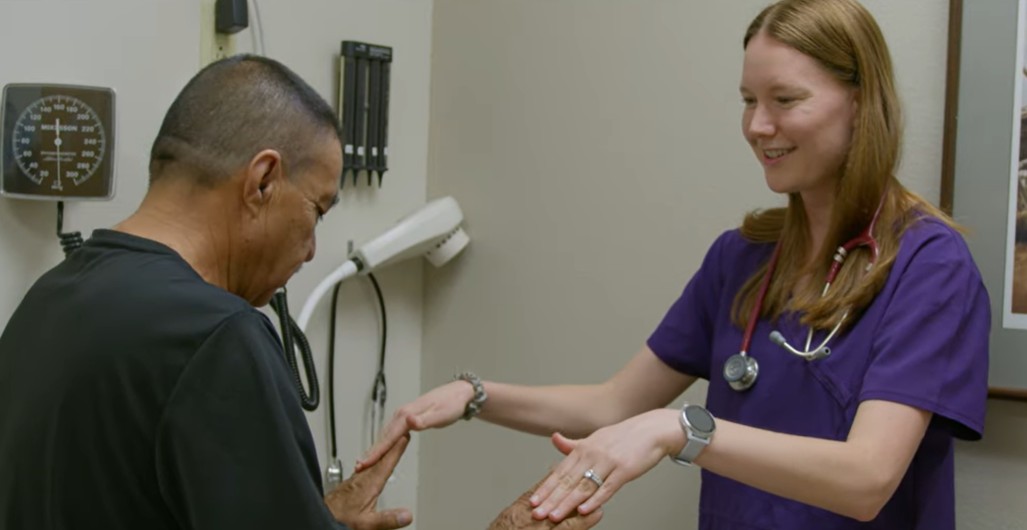
Dr. Andrea Morley on the symptoms patients may notice, what stress can do to physical and spiritual health, and how whole-person care impacts recovery.
By Dr. Andrea Morley
Most people do not come into the Clinic saying they are under stress.
They come in because they cannot sleep. Their blood pressure is up. Their chest feels tight. Their stomach has been bothering them for weeks. They are tired all the time. They are short with their family. They cannot focus. They have headaches that keep returning. They feel worn down, but they keep pushing through because life does not seem to offer another option.
April is Stress Awareness Month, and in our exam rooms, stress is often part of the story long before anyone names it.
As a physician, I have learned that stress usually does not introduce itself neatly. It shows up in the body first. It affects sleep, appetite, digestion, pain, blood pressure, patience, concentration, and energy. It can leave people feeling like something is wrong without knowing how all the pieces fit together.
For many of our patients, stress is not a passing inconvenience. It is part of daily life. It grows alongside financial pressure, family strain, grief, unstable housing, untreated illness, caregiving responsibilities, loneliness, and the uncertainty that comes from going without regular medical care. By the time some patients make it through our doors, stress has been shaping their health for a long time.
In those moments, medicine has to do more than address symptoms one by one. We need to see the full picture.
That is why we practice whole person care.
A person is not a blood pressure reading, a lab result, or a list of complaints. The body, mind, and spirit are deeply connected. What troubles the mind can affect the body. What burdens the heart can change the way a person sleeps, thinks, eats, and heals.
Psalm 23 gives us a picture of God’s care for weary people: “He makes me lie down in green pastures, he leads me beside quiet waters, he refreshes my soul.” That is not poetic decoration. It is a picture of restoration. It reminds us that God’s care reaches the whole person.
The Physical Impact of Stress
Stress steals rest. A person may be exhausted and still struggle to sleep. The body is tired, but the mind keeps turning. Concerns from the day follow them into the night. Even when sleep comes, it may not feel restorative. Then the next day begins with less patience, less clarity, and less resilience than the day before. Over time, poor rest affects nearly everything. Mood worsens. Small frustrations feel larger. The body has less margin. People often tell themselves they just need to get through a busy season, but sometimes the season has quietly become a way of life.
Stress may show up as a constant sense of tension. The body was not designed to live in a steady state of alarm. Yet many people do just that. They stay on alert for so long that it begins to feel normal.
Some people lose their appetite. Others eat whatever is available because they are too tired or overwhelmed to think ahead. Some develop reflux, nausea, stomach pain, or bowel changes that do not make sense until their daily pressures come into view.
The Spiritual Impact of Stress
When stress continues long enough, it affects more than the body.
People become irritable, discouraged, forgetful, withdrawn, or numb. They lose perspective. They stop enjoying what once steadied them. They may begin to feel that this is simply how life will be from now on.
Galatians 6:9 speaks to that kind of fatigue: “Let us not become weary in doing good, for at the proper time we will reap a harvest if we do not give up.” Many patients hear that verse differently when they are walking through the kind of exhaustion that touches body and spirit alike.
Stress may also affect spiritual life, making it harder to pray, focus on Scripture, or enter into worship with a settled heart.
How to Address the Physical and Spiritual Impact of Stress
One of the most useful things a person can do is pay attention to patterns.
When do you feel most tense? What situations leave you unsettled long after they are over? Are there certain conversations, financial pressures, work demands, or family concerns
that affect your sleep or your body? Do you feel steadier after prayer, worship, a walk, or time with someone you trust?
Quiet habits can help bring those patterns into focus.
Prayer. Worship. Scripture. Silence. Deep breathing. A daily walk. These are not small things. They create space for the mind and body to settle, and once a person begins to settle, it becomes easier to recognize what has been driving the anxiety in the first place.
Worship does not remove every pressure. It does not erase a diagnosis, pay a bill, or solve a family problem in an instant. But it does something deeply important. It reorders the heart. It reminds us that God is God and we are not. It interrupts fear. It lifts our attention off the problem long enough to remember the One who holds us in the middle of it.
I have seen how prayer, worship music, Scripture, and quiet time with the Lord can help calm an anxious heart. Not because faith replaces good medical care, but because human beings need more than symptom management. We need peace. We need perspective. We need the presence of God.
Isaiah 26:3 says, “You will keep in perfect peace those whose minds are steadfast, because they trust in you.”
That does not mean faithful people never feel stress. It means they know where to turn when they do.
In whole-person care, that matters.
It is also wise to listen to people who know you well.
A spouse, close friend, or adult child may notice changes before you do. They may see that you seem more anxious, less patient, more withdrawn, or more easily discouraged. We do not always see ourselves clearly when stress has become familiar.
Our Role
At the Clinic, we often meet patients after stress has already had plenty of time to leave its mark.
Some delay care because they have no insurance. Some had no transportation. Some could not miss work. Some could not afford prescriptions. Some were frightened by what they might find out. Some had grown accustomed to carrying their symptoms alone.
By the time they come in, a manageable concern may have become something much more serious.
When we care for a patient, we are not only addressing pain, blood pressure, or blood sugar. We are caring for a person who may have been living under strain for a very long time. To care well, we have to listen for what has gone untreated medically, emotionally, and spiritually.
Seeing the person, not just the symptom
Jesus never treated people as interruptions.
He saw them. He noticed suffering others passed by. He responded with compassion, truth, and healing. That remains the model.
In Matthew 11:28, Jesus says, “Come to me, all you who are weary and burdened, and I will give you rest.”
That invitation speaks to many of the people we serve.
Some are burdened by illness. Some by fear. Some by isolation. Some by years of trying to make do without help. To offer whole-person care is to meet people there with sound medicine, compassionate presence, and the love of Christ.
Stress is real. Its effects on health are real. But so is relief. So is healing. And sometimes one of the most important moments in care is when a patient begins to understand their symptoms, that their suffering has not gone unseen, and that they do not have to carry it alone.