
Can Faith and Mental Health Care Work Together?
Mental health affects more than the way a person thinks or feels. Depression, anxiety, addiction, grief, and difficult seasons of life can affect physical health, relationships, work, and a person’s sense of hope.
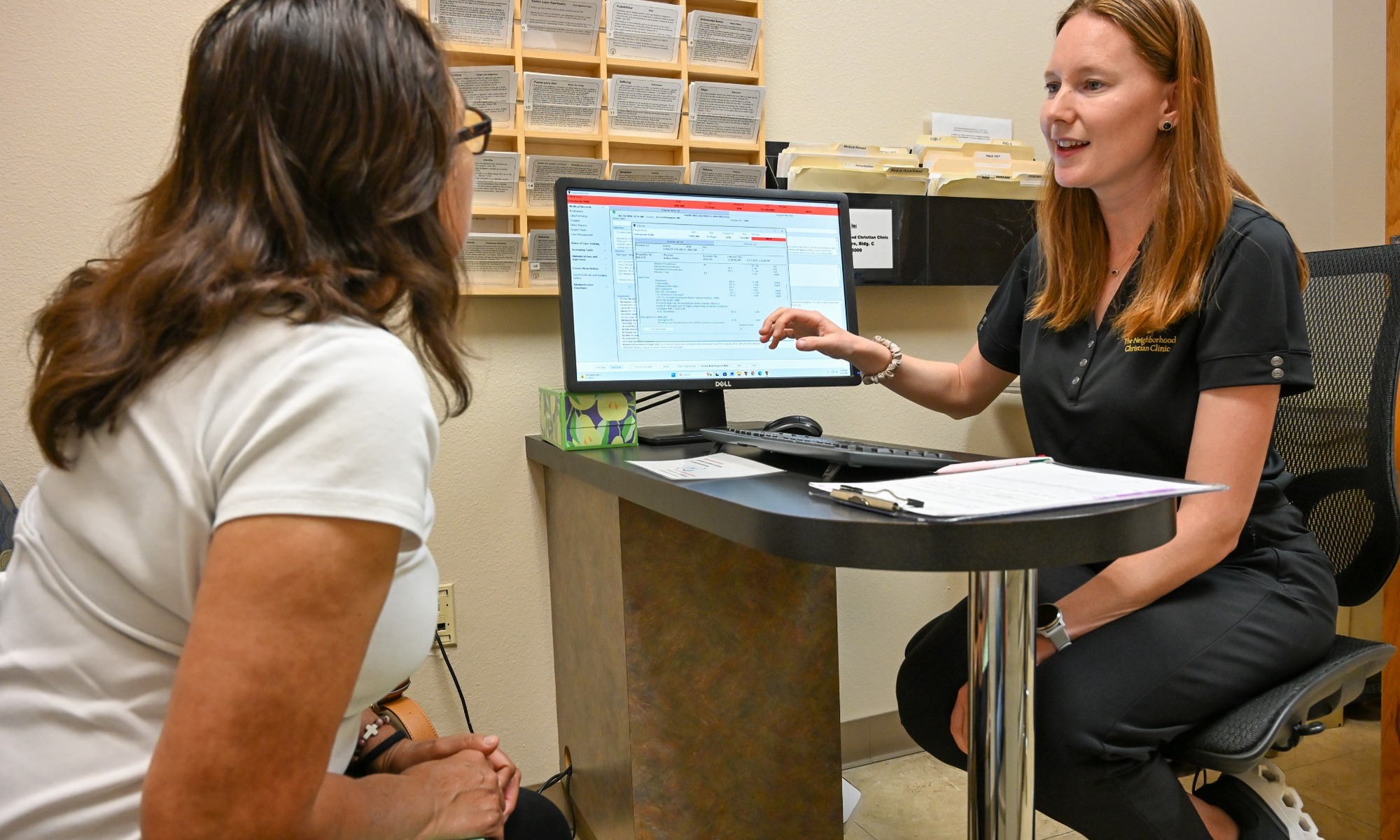
At The Neighborhood Christian Clinic, we believe caring for mental health and caring for spiritual health do not have to be separated. Through our Behavioral Health Program and approach to Whole Person Care, patients can receive professional support for what they are experiencing while also having the opportunity to receive spiritual care when they desire it.
Mental Health Is Part of Whole Person Care
Whole Person Care begins with a simple idea: a patient is more than a diagnosis or a list of symptoms.
Physical, emotional, social, and spiritual concerns can all be part of what someone carries into a healthcare appointment. Addressing one need without recognizing the others can leave important parts of a patient’s experience unseen.
This is especially apparent in behavioral healthcare.
Someone struggling with depression may also be dealing with chronic illness, financial stress, loneliness, grief, family difficulties, or questions about faith. Anxiety may exist alongside physical symptoms or a difficult season at home. Addiction can affect nearly every area of a person’s life.
At the Clinic, our goal is to meet patients with compassion, listen to what they are experiencing, and help address their needs as a whole person.
Professional Mental Health Care and Spiritual Support Are Not Opposites
When a patient desires it, spiritual support can exist alongside professional behavioral health care.
The Clinic’s Behavioral Health Program provides a dedicated space where patients can talk with someone, receive professional support, and begin working through what they are carrying.
At the same time, patients who want spiritual support can receive it. That may include talking about spiritual concerns, receiving encouragement, or having someone pray with them.
The choice to engage in spiritual care belongs to the patient.
This allows the Clinic to care for both the challenges that brought someone through the doors and the person experiencing them.
What Faith-Based Mental Health Care Can Look Like
Sometimes the difference is as simple as taking the time to listen.
Laura came to The Neighborhood Christian Clinic without health insurance, sufficient financial resources, or another place to turn for affordable care. She was also living with depression.
At the Clinic, Laura received medical attention as well as support for the emotional weight she was carrying. She found people willing to listen to her and, because that spiritual support was meaningful to her, pray with her.
Laura described the difference this way:
“I leave each appointment with peace in my heart.”
She also shared:
“Here at The Clinic, I feel like I’m with family. They listen and they pray with me.”
Laura’s experience illustrates why behavioral health is an important part of Whole Person Care. Her depression was not treated as something disconnected from the rest of her life, nor was her faith treated as a replacement for healthcare.
She was cared for as a person.
Removing Barriers to Mental Health Care in Phoenix
For people without health insurance or adequate financial resources, finding behavioral healthcare can be difficult.
That barrier can be especially serious when someone is already overwhelmed by depression, anxiety, addiction, or a major life crisis. Finding a provider, determining what care will cost, and figuring out how to pay for it can become another burden at precisely the time someone is least equipped to carry one.
This need is one reason The Neighborhood Christian Clinic began its Behavioral Health Program.
The Clinic now has dedicated space for behavioral health care, allowing more patients to access support alongside the other healthcare services they may need.
For someone who initially comes to the Clinic because of a physical health concern, having behavioral health services available in the same place can also create an opportunity to address needs that might otherwise remain unseen.
No One Should Have to Carry the Weight Alone
Mental health struggles are often invisible.
A person may look fine while carrying depression, anxiety, addiction, grief, or circumstances that feel overwhelming. Financial barriers and lack of insurance can make finding help even harder.
The Neighborhood Christian Clinic exists to help make compassionate healthcare accessible to uninsured and underserved members of the Phoenix community. Through behavioral health services and Whole Person Care, we seek to care for patients in body, mind, and spirit while respectfully offering spiritual support to those who desire it.
For patients like Laura, that can mean finding a place where professional care, compassion, and faith are not competing approaches. They are parts of caring for the whole person.
Need behavioral health support? Learn more about behavioral health services available through The Neighborhood Christian Clinic.
Want to help make this care possible? Your support helps the Clinic continue providing compassionate healthcare to uninsured and underserved neighbors throughout the Phoenix community. View our Ways to Give Page.